What to check before you sign, written by people who have inherited other firms’ apps.
Every mobile app development company will show you a portfolio and a process diagram. Neither tells you what happens in month seven, when the developer who wrote it leaves and Apple changes a signing requirement. This page is about the things that decide that — ownership, accounts, handover and how the contract shares the risk.
An app is not a deliverable that arrives and stops. It is a thing that has to be rebuilt and resubmitted every time an operating system changes, a certificate expires or a store policy moves. Choosing a mobile app development company is therefore less about who can build the first version — most competent teams can — and more about what you are left holding when the relationship ends.
Everything below is a way of asking the same question: if we part company, what is still ours?
None of these requires technical knowledge to ask. Watch how readily they are answered.
Commit history, branches, pull requests, tests. A portfolio shows what was designed; a repository shows how it was built.
Names, seniority, and whether they are on your project full time. Proposals are written by senior people and delivered by whoever is free.
If releases are produced on a developer's laptop, your release process leaves when they do.
Not a promise of quality — a description. Unit, integration, device matrix, and who runs them.
Android and iOS ship major versions annually. Ask what happened to their clients last time.
Ownership should transfer on payment and be stated plainly. Silence here is not an oversight.
References who stayed tell you about the good months. A client who moved on tells you about the handover.
Support, response times, who answers, and what it costs. The answer reveals whether they have had a month seven.
The vendor carries delivery risk and prices that risk into the number. It works when the scope is genuinely knowable — a defined release, a migration, an integration against a documented API. The failure mode is the change process: if changes are slow and expensive, the project gets delivered to the specification rather than to the need.
You carry the risk and get flexibility in exchange. Honest for discovery work and for products whose shape will move. It demands something from you: somebody on your side who makes decisions quickly, because idle developers bill at the same rate as busy ones.
A fixed monthly cost for named people, with the backlog under your control. The most economical model past about six months and the one that most resembles having your own team. It is also the easiest to waste if nobody internally owns the priorities.
Screens are the cheapest part of an app. These are the things that move a quote.
An app over a clean, documented API is a straightforward build. An app over a legacy system with no API contains an entire second project nobody mentioned at the proposal stage.
If the app has to work without a network, the data model, the sync and the conflict rules are real engineering rather than a setting. This is routinely underestimated by a factor of two.
Payments, health data, biometrics or anything regulated brings audit requirements, penetration testing and documentation into scope.
Supporting Android 9 on a 2 GB device costs real effort. Deciding the floor early is cheaper than discovering it from crash reports.
Budget for rejection. First submissions are commonly rejected for privacy declarations, account deletion or permission justification, and each round trip costs days.
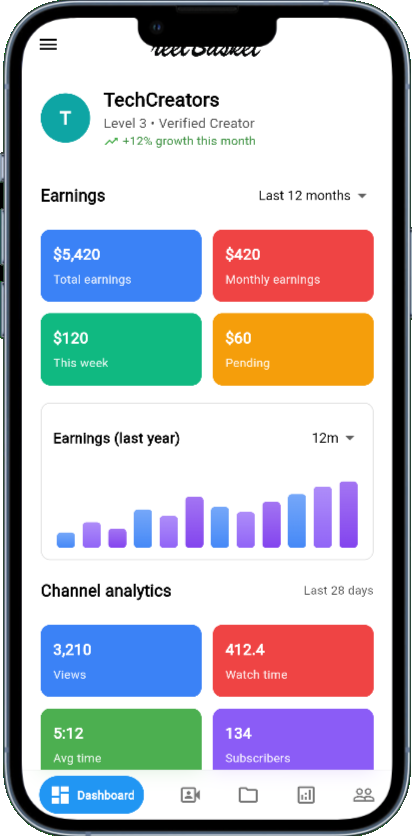
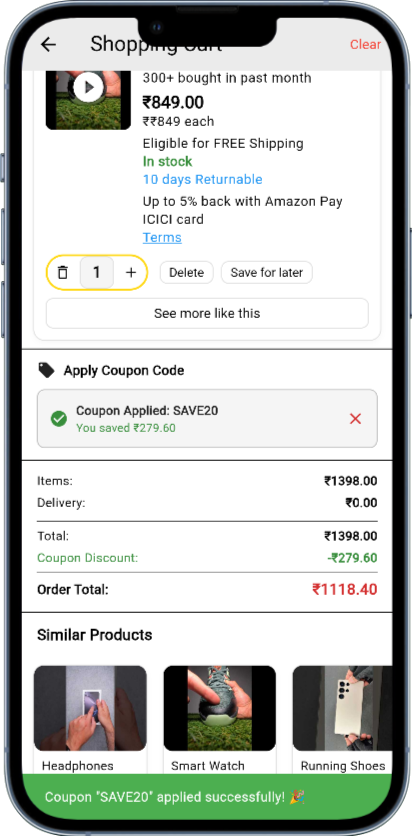
A portfolio is the weakest evidence a development company offers, which is why this page argues for repositories instead. Here are the screens anyway — two production apps, both live on both stores. Tap any image to enlarge it.
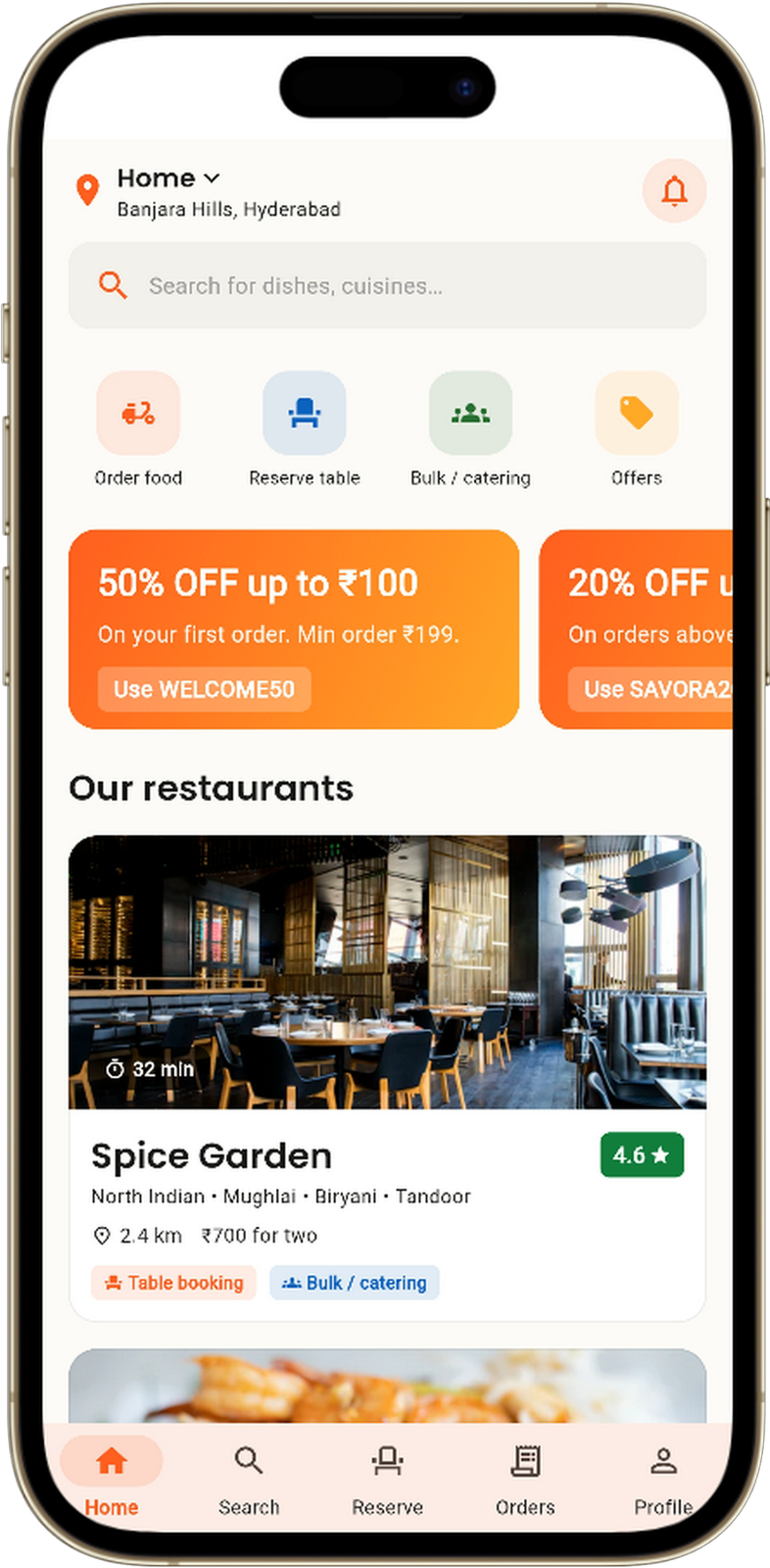
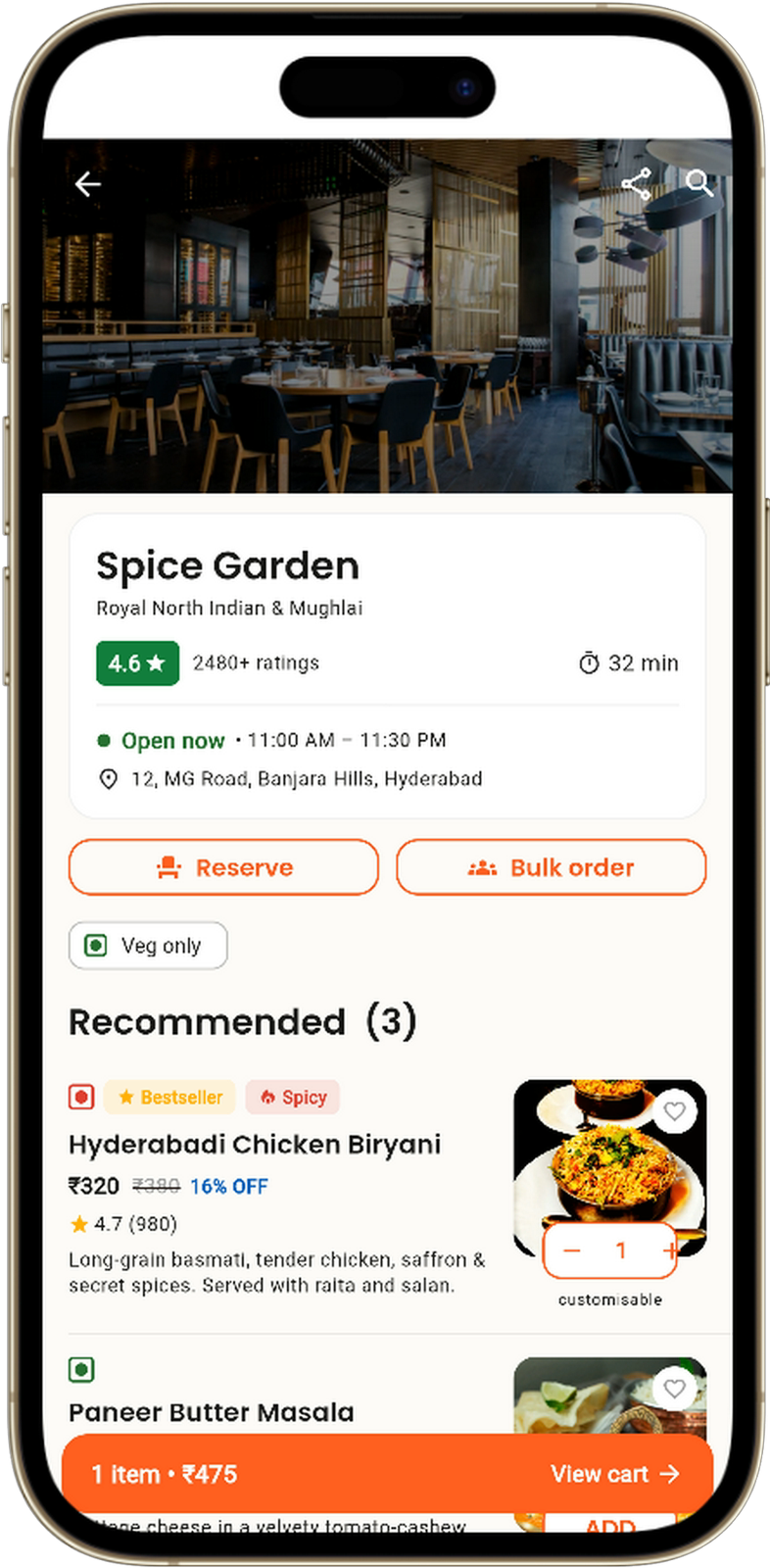
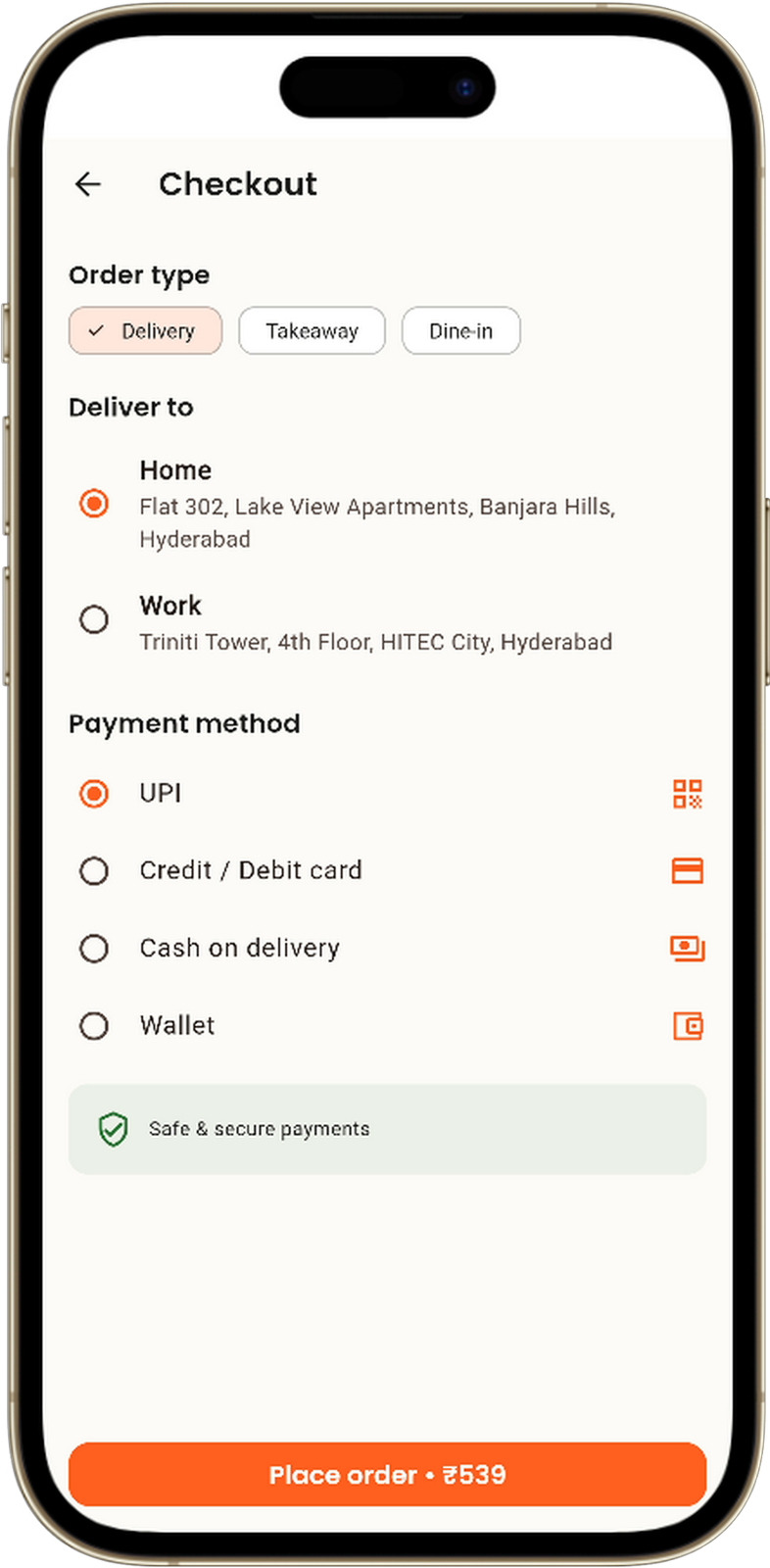
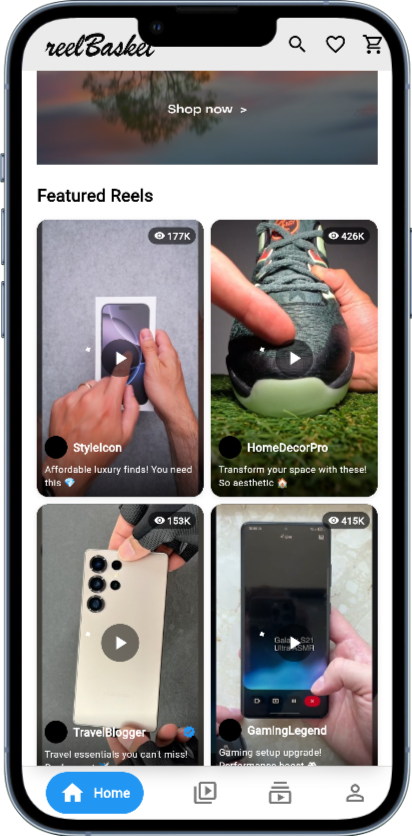
One codebase or two: what Flutter, React Native, Kotlin Multiplatform and native each cost you.
Apps for people with no signal: sync queues, conflict rules and what breaks when the network returns.
Realistic ranges by app type, what drives each figure, and where quotes usually go wrong.
How we build: one codebase for Android and iOS, offline-first, with store release included.
Send the integration you think is the risky one. We will prototype it free before anybody signs anything.
